- April 21, 2026
- Horticultural Perlite
Succulents may look low-maintenance, but their roots are highly sensitive to soil that stays too wet or becomes compacted over time. In containers, the growing medium has to do more than hold the plant in place. It needs to move water efficiently, leave room for oxygen, and help roots stay active between watering cycles.
At Norcal Perlite, we supply horticultural perlite for growers, nurseries, and home gardeners who need dependable soil amendment performance across the West Coast. For succulents and cactus-style mixes, perlite helps create a lighter, more open structure that supports drainage, aeration, and healthier root development.
A good succulent mix often depends on the right balance of mineral amendment and organic material. By adding high-quality perlite to potting soil, growers can reduce compaction, improve airflow, and better manage moisture around the root zone.
Key Takeaways
- Horticultural perlite helps succulent soil drain faster without making containers unnecessarily heavy.
- Perlite helps loosen dense potting mixes that can hold too much moisture.
- Coarser grades are often useful for larger containers or mixes that need stronger drainage.
- Norcal Perlite provides eco-friendly, high-grade products for West Coast growers.
Perlite for Succulents: Complete Guide to Benefits
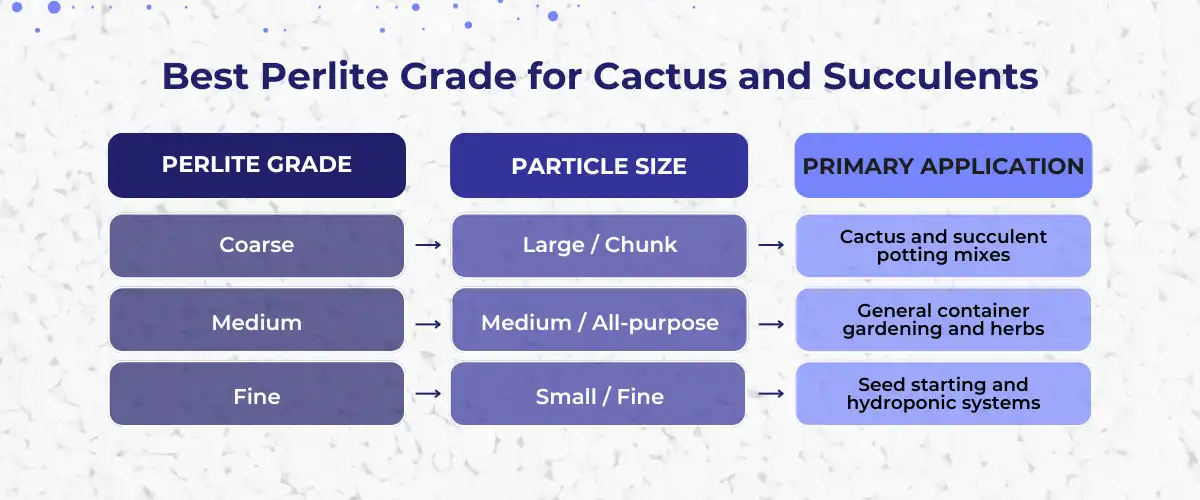
Perlite grade chart showing the best particle sizes for cactus and succulent soil mixes.
We believe that understanding how perlite interacts with plant roots is essential for every professional gardener. Adding perlite to your potting setup creates a high-quality environment for moisture-sensitive species.
Key Benefits of Using Perlite in Succulent Soil Mix
We see incredible results when growers use perlite to improve their soil’s mix. Unlike organic matter or heavy sand, this material keeps the soil loose and light. Perlite prevents the potting mix from becoming a hard, compacted block of dirt.
Perlite vs. Pumice in Drainage Performance
Both pumice and perlite are used to improve drainage, but perlite is highly effective at increasing airflow and preventing compaction in potting mixes. Its lightweight structure helps create a more open soil profile, which is one of the main goals when building a succulent mix. This is especially helpful in containers, where water movement and oxygen availability are critical.
Pumice is also a volcanic amendment, but it is denser and heavier. While that can be useful in certain situations, many growers prefer perlite because it is easier to handle, easier to blend, and well suited for standard succulent and cactus soil applications.
Enhanced Aeration and Oxygen Circulation
The air pockets formed by perlite provide essential oxygen to the root zone. Proper aeration allows the roots to breathe and prevents soil compaction. This oxygen circulation supports the healthy bacteria that drive robust cactus growth. Healthy aeration is the secret to a thriving, vibrant desert garden.
Weight and Practical Use in Containers
One of perlite’s biggest advantages is that it keeps containers lighter and easier to move. For indoor plants, patio arrangements, greenhouse benches, and larger collections, this can make a noticeable difference. Growers who re-pot regularly or manage multiple containers often find perlite more convenient than heavier mineral amendments.
Pumice can add weight and stability to a pot, but that is not always an advantage. In many cases, lightweight perlite is the more user-friendly option, especially when the goal is to improve drainage without increasing the overall load of the container.
How to Mix Perlite for Succulents: Ratios and Tips
For a standard mix, we generally recommend using one part perlite to three parts soil. This one part ratio works well for most indoor decorative greenery. For a specialized cactus succulent variety, you might increase the perlite to a 1:1 ratio. Always blend the mineral thoroughly into your mixes rather than layering it for the best results.
Consistency is key when preparing your growth medium. We suggest mixing in small batches to ensure the perlite is evenly distributed throughout the soil.
Best Perlite Grade for Cactus and Succulents
At Norcal Perlite, we offer multiple horticultural perlite grades to support different soil mix goals. For cactus and succulents, the best grade often depends on container size, plant type, watering habits, and how much airflow the mix needs.
| Perlite Grade | Particle Size | Primary Application |
|---|---|---|
| Coarse | Large/Chunk | Cactus and succulent potting mixes |
| Medium | Medium/All-purpose | General container gardening and herbs |
| Fine | Small/Fine | Seed starting and hydroponic systems |
Coarse perlite is often preferred for succulent soil because it creates larger air spaces and supports faster drainage. Medium grades can work well when growers want a balanced mix that still improves aeration without drying too quickly.
Source Premium Perlite from Norcal Perlite
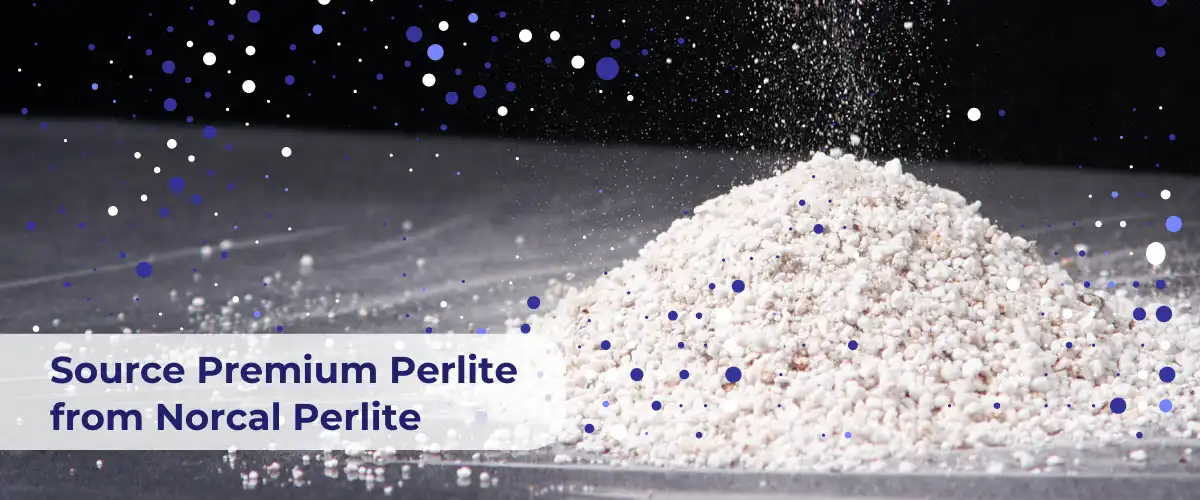
Premium Norcal Perlite supports succulent soil drainage, aeration, and healthier root growth.
Using perlite for succulents is one of the most effective ways to improve drainage, increase airflow, and keep succulent soil from becoming dense or moisture-heavy. That matters because succulent roots perform best in a growing medium that drains efficiently, stays open, and gives the root zone access to oxygen. When added to potting soil, horticultural perlite helps create the fast-draining structure that succulents, cacti, and other moisture-sensitive plants prefer.
At Norcal Perlite, we supply high-quality horticultural perlite for home gardeners, nurseries, and commercial growers who need dependable performance in succulent soil mixes. Whether you are refreshing a few indoor containers or building larger custom blends for greenhouse production, the right perlite grade can help support healthier roots, better moisture control, and stronger overall plant performance.
Need Premium Perlite for Succulents?
Contact Norcal Perlite at 510-232-7337 or info@norcalperlite.com to discuss horticultural perlite options, available grades, and bulk ordering support.
Perlite For Succulents: Frequently Asked Questions
1. Why is perlite for succulents important?
Perlite for succulents improves drainage, increases aeration, and helps keep potting soil loose instead of compacted. That gives succulent roots a healthier growing environment and reduces the risk of moisture-related stress.
2. Can perlite be used for succulent propagation?
Yes, horticultural perlite can be useful for succulent propagation because it provides a lightweight, well-aerated medium that supports new root development. Norcal Perlite’s horticultural grades can help growers create cleaner, better-draining propagation mixes for cuttings, offsets, and young succulent plants.
3. Does perlite hold water or help succulent soil dry faster?
Perlite helps succulent soil dry more efficiently by creating air pockets that allow excess water to move through the mix. It can hold a small amount of moisture on its surface, but its main value in succulent soil is improving drainage, oxygen flow, and root-zone balance.
4. Is perlite for succulents a good choice for indoor and outdoor pots?
Yes, perlite for succulents works well in both indoor and outdoor containers because it helps improve drainage without making the soil overly dense. It is especially useful in pots where water movement, airflow, and root-zone balance have a direct impact on plant health.