- October 30, 2025
- Horticultural Perlite
Choosing between pumice vs perlite can be challenging when deciding how to improve your garden’s soil. Both volcanic materials enhance drainage and root health, but each offers unique properties that make it better suited for specific applications. At Norcal Perlite, we provide premium perlite products designed to optimize aeration, moisture control, and long-term plant growth.
Understanding the unique properties of each amendment is crucial for making informed decisions about which one best suits your specific gardening needs and plant types.
Pumice vs Perlite Key Takeaways
- Both pumice and perlite improve soil drainage and aeration.
- The choice between them depends on factors like climate and plant species.
- Pumice and perlite differ in weight, longevity, and moisture retention.
- Norcal Perlite offers premium perlite products for enhanced plant growth.
Understanding Soil Amendments for Garden Success
Creating a thriving garden starts with understanding the importance of soil amendments. These amendments are crucial for improving soil structure, enhancing drainage, and promoting healthy root growth. At Norcal Perlite, we specialize in providing high-quality volcanic materials that are ideal for gardening, seed starting, and hydroponics, supporting sustainable practices that our customers trust.
The Role of Soil Amendments in Plant Health
Soil amendments play a vital role in maintaining plant health by addressing common soil deficiencies. They improve drainage, enhance aeration, and adjust moisture retention, creating an ideal environment for roots to thrive. For instance, comparing different soil amendments like perlite and vermiculite can help gardeners choose the best option for their specific needs.
Why Volcanic Materials Make Excellent Amendments
Volcanic materials, such as pumice and perlite, are particularly effective as soil amendments due to their porous nature, lightweight properties, and chemical stability. They create air pockets in the soil, allowing for efficient water drainage and preventing waterlogged roots. This results in healthier root systems and more robust plant growth. Our products are designed to provide long-term benefits, making them a cost-effective solution for gardeners seeking to improve their soil quality.
Pumice vs Perlite: Origin and Physical Properties

Explore the key differences between pumice and perlite in terms of their volcanic origins and physical properties.
To appreciate the differences between pumice and perlite, it’s essential to explore their origins and how these affect their structure and functionality in gardening applications.
What is Pumice?
Pumice is a naturally occurring volcanic rock formed when lava with high water and gas content erupts and rapidly cools, creating a porous structure. This process gives pumice its unique properties, making it a valuable amendment for improving soil drainage and aeration.
Physical Characteristics of Pumice
Pumice is characterized by its grayish appearance, moderate weight, and numerous microscopic pores. These pores act like tiny sponges, absorbing and slowly releasing water, which benefits plant growth.
What is Perlite?
Perlite is a type of volcanic glass that is made by heating crushed volcanic rock to high temperatures, causing it to expand. This process creates a lightweight, porous material used to improve soil structure.
Physical Characteristics of Perlite
Perlite is known for its brilliant white color, extremely lightweight composition, and highly porous structure. While it provides excellent drainage, it is less effective at retaining moisture compared to pumice.
Key Structural Differences
The key difference lies in how each material is formed and how that affects durability and performance. Pumice is a naturally solid volcanic rock filled with rigid, interlocking pores, giving it long-term stability that doesn’t degrade or compact over time.
Perlite, in contrast, is an expanded volcanic glass with a lightweight, bubble-like structure that provides excellent aeration but can gradually break down under acidic or high-pressure conditions. These structural distinctions determine how each performs in soil; pumice offers enduring support, while perlite provides superior short-term aeration and drainage efficiency.
Pumice vs Perlite: Comparing Performance in the Garden

Pumice and perlite offer different benefits—see how they compare in garden performance factors like drainage and durability.
Drainage and Aeration Benefits
Both pumice and perlite excel at improving soil drainage and aeration. Perlite creates more immediate drainage effects, while pumice provides a balanced approach that prevents complete water runoff. This makes pumice suitable for plants that require consistent moisture levels.
Water Retention Capabilities
Pumice’s microscopic pores act as tiny sponges that absorb excess water and release it gradually as the soil dries. In contrast, perlite primarily creates air pockets without significant moisture retention. For plants in arid climates, pumice’s water retention capabilities make it a preferable choice.
Longevity and Durability
The longevity difference between these amendments is substantial. Pumice can last indefinitely in soil with no degradation over years or even decades. On the other hand, perlite may begin to break down after a few years, especially in acidic conditions. This makes pumice a more durable option for long-term soil improvement.
Weight and Stability in Containers
Container gardeners should consider the weight and stability factors. Pumice adds beneficial weight that prevents lightweight containers from tipping over in the wind. In contrast, perlite’s extreme lightness can be problematic for top-heavy plants. For container gardens, especially those with tall plants, pumice can provide the necessary stability.
| Characteristics | Pumice | Perlite |
|---|---|---|
| Drainage | Balanced drainage | Immediate drainage |
| Water Retention | High | Low |
| Longevity | Indefinite | 1-2 years |
| Weight | Heavier | Light |
For specific applications like hydroponic farming, perlite is often preferred due to its lightweight nature and excellent oxygen retention. However, for plants requiring exceptional drainage like cactus or succulents, pumice can be used at higher ratios of 1:1 with potting soil. We recommend exploring our products for your gardening needs.
Choosing the Right Amendment for Your Needs
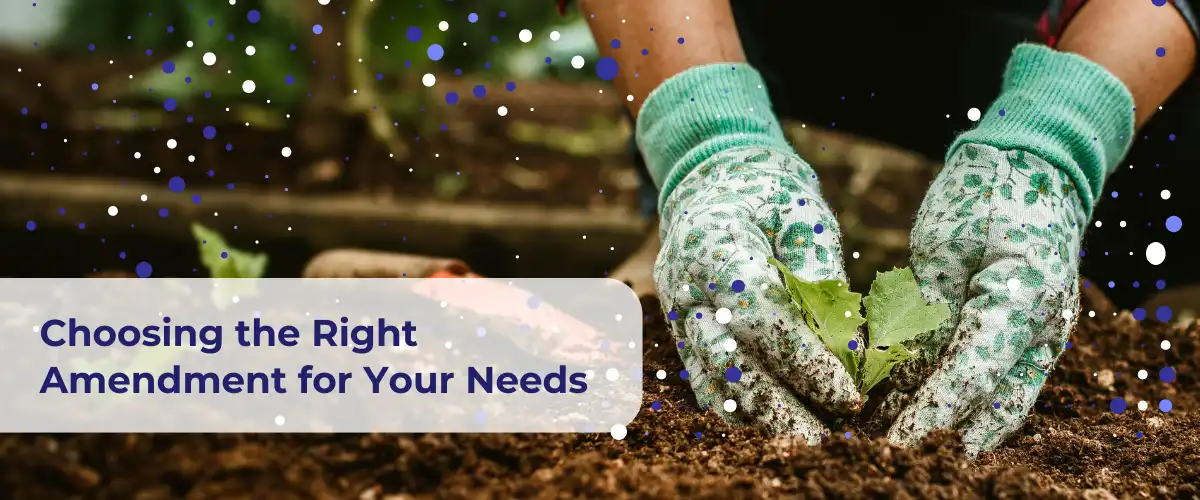
Pick the right soil amendment—whether perlite or pumice—to match your garden’s specific growth needs.
By understanding the differences between pumice and perlite, you can optimize your soil amendment strategy. We recommend considering your specific gardening needs and goals when deciding between these two volcanic amendments.
Both perlite and pumice improve soil drainage and aeration, but they have distinct advantages. For long-term container plantings, pumice’s durability makes it a superior choice. For an affordable option that promotes root growth and soil structure, perlite is a great choice.
We suggest experimenting with both amendments in small test batches to determine which performs best with your specific soil type, watering habits, and plant selection. Whether you choose pumice, perlite, or a combination of both, incorporating these volcanic amendments will dramatically improve your gardening results by creating optimal root environments that support healthy plant growth.
For additional guidance on selecting the right soil amendment for your specific gardening needs, contact our team of experts at 510-232-7337 or contact us online. Let Norcal Perlite help you optimize your gardening and provide personalized recommendations based on your climate, plants, and gardening goals.
Pumice vs Perlite Frequently Asked Questions
1. How do soil amendments affect soil weight and stability in containers?
Soil amendments can significantly impact soil weight and stability. For instance, adding perlite or similar lightweight materials can reduce the overall weight of the potting mix, making it easier to handle.
2. Are there any long-term benefits to using soil amendments like pumice or perlite?
Yes, these amendments can last for many years, continuing to improve soil drainage and aeration over time. This longevity makes them a valuable investment for gardeners seeking to create a sustainable gardening practice.
3. Can I mix different soil amendments together to achieve better results?
Yes, combining different amendments can help tailor the soil mix to the specific needs of your plants. For example, mixing materials that retain moisture with those that improve drainage can create a balanced soil structure.
4. How do I know if my soil needs amendments like perlite or pumice?
If your plants are struggling with root rot or showing signs of poor drainage, it may be beneficial to add amendments that improve soil aeration and drainage, such as volcanic materials.